How Does Aspect Ratio Affect a Film?
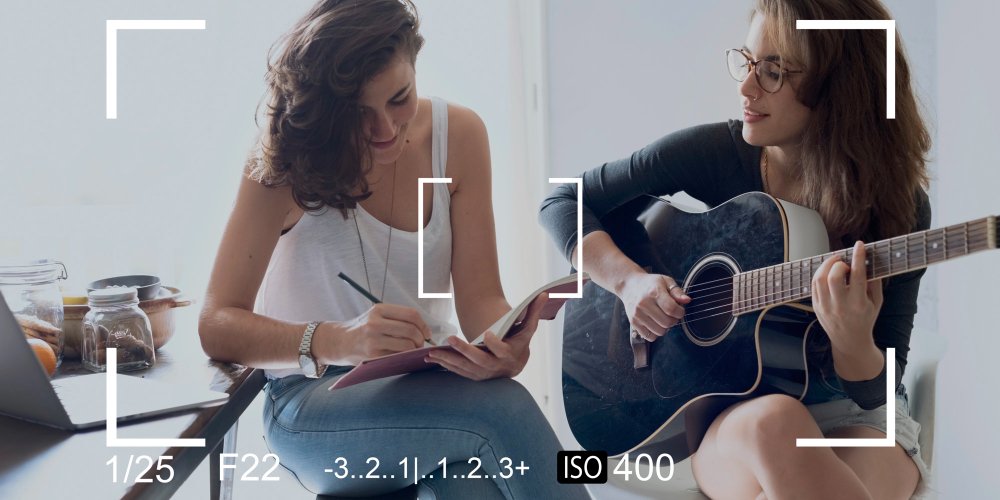
Most people treat video aspect ratio as a technical checkbox. The frame is a psychological boundary that shapes what the viewer sees, what they feel, and how much of the world the director lets them into. Different ratios carry different emotional weight, and the choice should always be deliberate.
Understanding the Geometry of the Frame
Aspect ratio describes the proportional relationship between a frame's width and its height. A 16:9 video is 16 units wide for every 9 units tall. A 1:1 video is a perfect square. The number itself matters less than what that shape communicates to the viewer.
Width and height determine where the eye travels and how much space surrounds the subject. A wider frame invites the environment into the story. A narrower one closes it out.
Both are tools. Neither is neutral.
Why aspect ratio matters in practice:
Directing the viewer's eye to specific details within the frame.
Establishing the mood or "genre" of a piece before any content plays.
Adapting to platform-specific viewing behaviour, particularly for audiences in Singapore consuming content across desktop, mobile, and social feeds.
Common Aspect Ratios
The Golden Standard: 16:9 and Beyond
16:9 is the baseline aspect ratio for what most viewers recognise as 'cinematic.' The horizontal width creates room for environment and world-building. Wide frames allow a brand to show scale, heritage, and the physical spaces that carry meaning. A financial institution filmed across a daylight-lit trading floor reads very differently in 16:9 than in any other video aspect ratio.
The space becomes part of the story:
Film: Evokes the prestige and polish audiences associate with theatrical releases, lending branded content a credibility that narrower formats rarely achieve.
Commercials: Singaporean brand films frequently use wider frames to communicate scale, institutional authority, or the atmosphere of a carefully designed environment, whether a clinical space, a heritage shophouse, or an open-air campus.
The Vertical Revolution: 9:16
The vertical aspect ratio is the phone's native screen format. 9:16 mimics the way we instinctively hold our phones, making content feel closer and more immediate than any produced format can. Shooting in high-resolution 16:9, with safe zones framed for a 9:16 crop, maintains visual consistency across channels without requiring additional shooting days.
For brands, that shift in register is deliberate. Vertical video does not signal "less production value." It signals intimacy. Here’s where vertical format works:
Social content: The aspect ratio for social media on platforms like TikTok and Instagram Reels favours the vertical frame. The full-screen 9:16 format removes any visual competition from the interface, making the content feel native to the feed rather than imported from a broadcast context.
Corporate: A format commonly used in corporate videos is the founder story or behind-the-scenes cut. Shot vertically, these feel less like polished productions and more like a direct FaceTime call, which is precisely the register many brands want when building an authentic connection with an audience.
The Intimacy of the Square: 1:1
The 1:1 video aspect ratio removes the periphery entirely. There is no environmental context, no horizon, no space for the eye to wander. What remains is the subject and nothing else.
That constraint is not a limitation. For character-driven content that centres on a single person's philosophy or conviction, the square frame creates a focused intimacy that wider formats cannot replicate. Distractions fall away. The viewer has nowhere to look but the face in front of them.
Mommy (2014)
Xavier Dolan's Mommy made the 1:1 aspect ratio famous for exactly this reason. The film's protagonist lives in a state of psychological confinement, and the square frame physically encloses him within it. When a rare moment of freedom arrives, the frame expands outward. The ratio change alone carries more emotional weight than most dialogue could.
For any brand exploring a video with a storytelling technique built around a single character's inner world, Mommy is the clearest reference point available.
The Nostalgia of the Academy Ratio: 4:3
The 4:3 ratio predates widescreen entirely, and for most viewers it carries an immediate sense of memory. Used intentionally, it signals arthouse restraint, institutional heritage, or documentary seriousness rather than outdated production. Brands reach for it when they want content to feel less like a commercial pitch and more like a considered piece of work. It is particularly effective for heritage campaigns and founder profiles where tone matters as much as message.
Why Choice Matters More Than Equipment
The right camera does not determine the strength of a video. The right frame does. A creative video production house makes that call before the first shot is ever blocked, because the wrong ratio can quietly undermine everything that follows. A grand, expansive message squeezed into a tight vertical frame loses its scale. A personal, intimate story spread across a wide horizontal canvas loses its focus.
Beyond the initial choice, shooting for multiple ratios requires deliberate planning. "Safe zones" keep the brand message and subject legible across every format the content will appear in, from a website hero banner to a mobile feed. A production team that does not account for this at the brief stage often creates additional work, or additional costs, during the edit.
Master the Frame, Master the Story
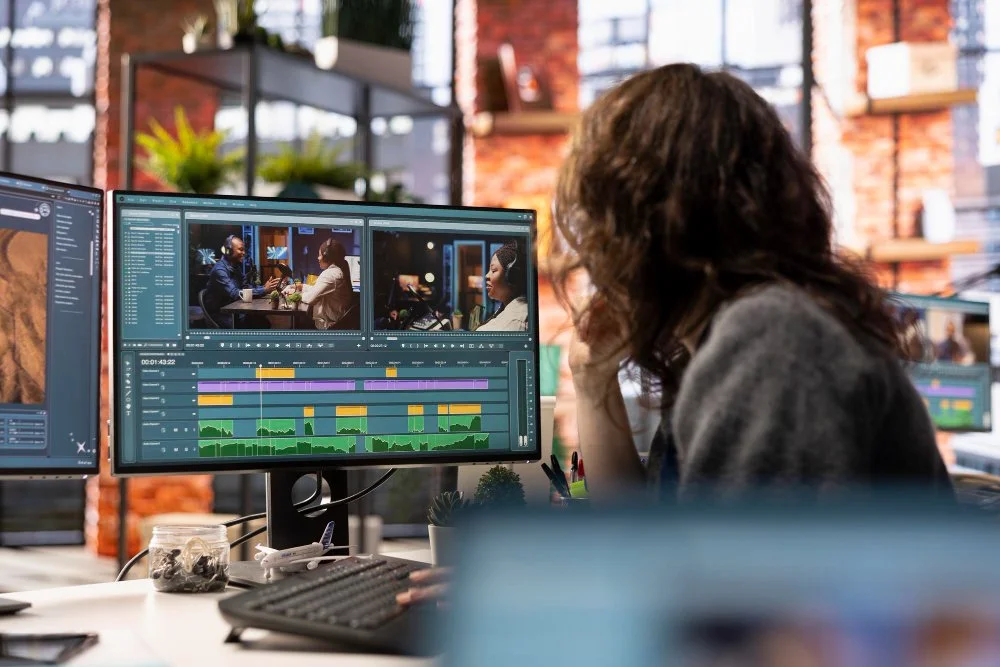
Every frame is a choice. The video aspect ratio a brand selects shapes how audiences feel before a single word is spoken, and it determines whether a story feels expansive, intimate, nostalgic, or alive. Choosing deliberately, rather than defaulting to whatever a platform suggests, is one of the clearest ways to separate considered video work from generic content.
If you are ready to define your brand's visual language with intention, Pretty Much Films' corporate video production services are built around exactly that kind of thinking. Get in touch to start the conversation.