How to Create Cinematic Brand Videos with Minimal Equipment

Every successful brand operates on the foundation of a compelling narrative, and sharing that story effectively requires a brand video crafted with genuine purpose. Purposeful filmmaking turns a simple message into a lasting impression.
Cinematic visuals represent more than aesthetic flair; they serve as a primary tool for capturing fleeting attention, establishing professional credibility, and shaping how an audience perceives a brand’s identity.
High-end results do not require an overflowing video budget or massive production crews. Storytelling, deliberate composition, and creative intent often outweigh the technical specifications of a video camera or the complexity of a lighting rig.
Expensive film equipment or an elaborate lighting rig won't save a weak concept. Creative intent and thoughtful lighting choices are the true hallmarks of quality, often proving far more influential than the total video budget allocated to a project.
1. Intentional Composition
When composed with intent, any angle can look like a money shot
Most creators eventually encounter foundational rules like the "rule of thirds" or "leading lines" during their first foray into film equipment. Mastering these geometric principles yields a much higher return on investment than purchasing a new video camera, as strong framing instantly signals professional intent:
Framing: Placing a subject behind a foreground element, such as a glass facade, creates a "voyeuristic" cinematic texture. This feels significantly more high-end than a standard, flat medium shot that lacks environmental context.
Depth-of-field: Using a long lens to blur the background focuses the viewer’s eye exclusively on the subject's expression. A shallow depth of field suggests an intimate, character-driven story, whereas a deep focus shot feels more like a security feed or a sterile documentary.
Subject Placement: Positioning a subject according to the Golden Ratio creates a natural sense of balance. Off-centre placement provides "looking room," which gives the subject space to breathe and interact with the environment. Deviating from this to place a subject at the extreme edge of a frame can evoke a sense of isolation or tension, which can be a powerful narrative tool when done right.
Juxtaposition: Cutting between a wide shot of your location and an extreme close-up of your employee at work creates a rhythmic contrast. This visual variety makes a brand video feel more expensive and well thought out than a single, static angle that never changes.
Visual storytelling skills and years of experience on set are the true drivers of intentional composition. Relying on a partner with a trained eye ensures that every frame serves the narrative, proving that gear remains secondary to the person standing behind it.
2. Lighting with Emotion
Know the 5Ws and 1H of lighting to set the mood
Lighting serves as the invisible brushstroke that defines the emotional resonance and tonal depth of your brand video. It transforms a clinical space into a sanctuary of trust and expertise.
Because lighting is significantly more than just being well-lit.
Ask yourself the following to find your direction: Who is the focus of this video? What is the core emotion that viewers should be feeling? When does the story take place? Where are the light sources in this setting? Why does this scene exist? How can light and shadow add depth to the scene?
These questions dictate your video lighting strategy and how you can apply your various lighting techniques:
Three-point Lighting rig: Using a key, fill, and back light creates a three-dimensional "pop" that separates your subject from the background. Neglecting the fill light increases contrast, which feels dramatic and moody, while a balanced setup feels safe and inviting for commercial videography in Singapore.
Hard Light vs Soft Light: Hard light creates sharp shadows that feel con and direct, while soft light, diffused through a silk or window, wraps around the face to create a gentle, empathetic aesthetic.
Ambient Lighting: Mixing existing room lights with your own setup can ground a scene in reality. Relying solely on harsh overhead fluorescents, however, often results in a "flat" look that devalues the brand's perceived quality.
Colour Temperature: Warmer tones evoke comfort and heritage, whereas cooler, "daylight" balanced light feels modern and high-tech.
Backlight & Silhouettes: Positioning a light behind the subject creates a halo effect that adds a layer of "premium" polish. Silhouetting a subject can introduce a sense of mystery or anonymity, perfect for sensitive patient testimonials.
3. Tell a Story within the Story
Then let your narrative lead your production choices
A brand video that merely broadcasts company awareness rarely captures hearts or inspires potential partners. Every creative decision must be an extension of a clear story and a defined emotional intent to truly resonate with a Singaporean audience.
Casting should focus on authentic human expression, ensuring the character’s timing within a scene feels unforced and rhythmic. Achieving cinematic results through effective storytelling often involves working with what you have; for instance, using natural window light or practical lamps in a room with primarily white colours can create a far more "human" texture than a sterile, artificial lighting rig.
When preparing your storyboard for the video, try to cover the following:
Define the Protagonist: Whether it's the doctor’s philosophy or a patient’s journey, every storyboard must have a clear human anchor to prevent the video from feeling like a dry corporate manual.
Visualize the Arc: Sketching out the "conflict" and "resolution" before the shoot allows you to identify which shots need a close-up for emotional impact and which need a wide angle to show scale.
Focus on Micro-Moments: Include storyboard frames for small details—a steady hand, a reassuring smile—that tell a story of competence without a single word of dialogue.
4. Editing to Achieve a Final Cut
Trimming ~20 hours of video into ~3 mins of cinema
Pacing, shot selection, and structural flow act as the final arbiters of how cinematic your video feels. After mastering composition and lighting, video editing is where your narrative is finally sculpted into its most potent form.
Thoughtful video editing choices can elevate modest footage into high-end, creative branded video content production without requiring extra filming days. Music selection further refines this, acting as the heartbeat that shapes the energy and brand tone.
Rhythmic Cuts: Cutting on action or to the beat of a track keeps the viewer's momentum high.
The Power of Silence: Removing music during a critical piece of advice can make the message feel more weighty and sincere.
Sound Textures: Layering subtle atmospheric sounds—the hum of a machine or the rustle of a gown—adds a "tangible" quality that makes the digital image feel real.
Crafting multiple versions of a brand video ensures your message lands across different touchpoints. Longer cuts thrive on a website where detail matters, while snappy, punchy edits are essential for social platforms where attention is a luxury.
Why Cinematic Brand Videos Are About Craft, Not Film Equipment
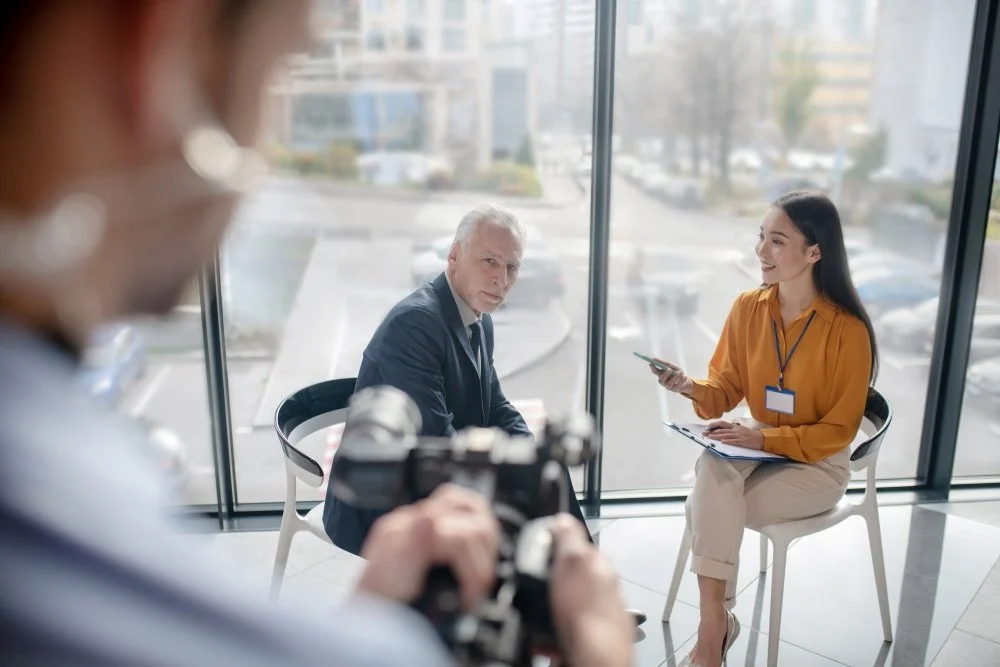
Cinematic quality originates from creative intent and narrative execution rather than the price tag on a gear list. Experienced filmmakers at studios like Pretty Much Films help brands maximise their influence within realistic limits by prioritising craft over clutter. Strong planning and deliberate creative direction ensure every dollar of a production investment translates into visible, emotional impact.
Ready to elevate your story without the unnecessary overhead? Work with Pretty Much Films to create cinematic, narrative-driven brand videos that put storytelling and emotional resonance at the centre of the frame.