Video Interview Techniques That Capture Authentic Human Stories
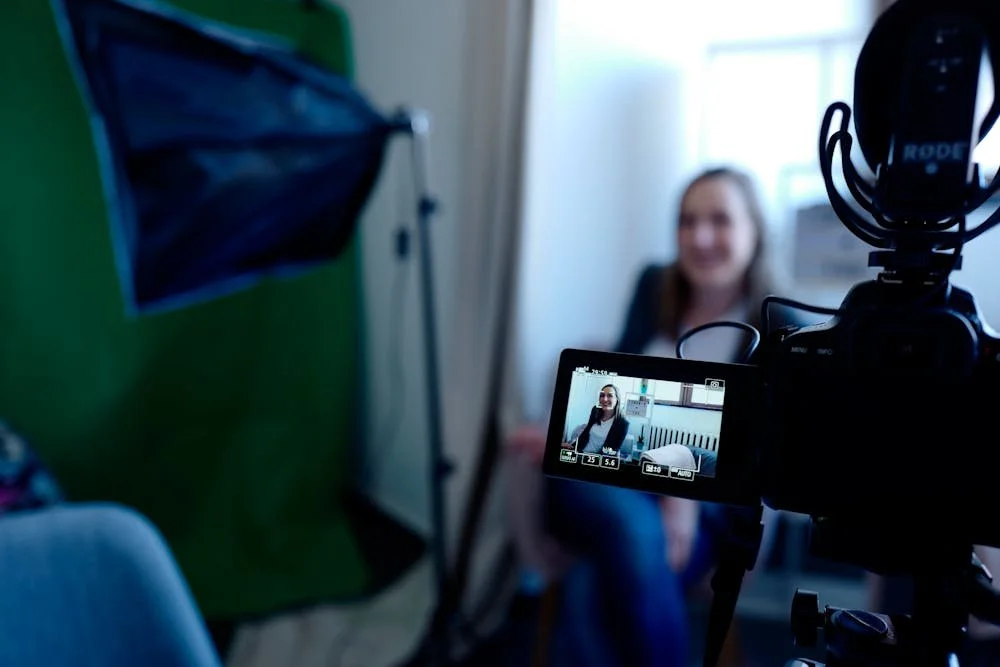
Interviews are one of the most effective video formats for bringing personality, authenticity, and genuine emotion to corporate and commercial videos.
When a subject speaks openly about their experience or perspective, viewers connect with the story rather than the brand positioning behind it. However, getting to that point takes deliberate preparation.
As such, the right video interview techniques are a central part of how to make a corporate video that connects, from the questions you prepare to what you capture between the answers.
1. Prepare Thoughtful Questions That Encourage Video Storytelling
The difference between a generic soundbite and compelling storytelling comes down to how the question was framed. While closed questions tend to produce short, predictable answers, open-ended ones create space for reflection, nuance, and narrative.
Frame your questions around personal experience rather than job function. For example, instead of asking "What does your team do?", try "What was a moment when your team surprised you?"
Additionally, specific prompts invite subjects to think back to real situations, which naturally produce more emotionally honest responses.
Before the shoot, consider:
Sending questions in advance so subjects can reflect rather than memorise
Framing questions around challenges, turning points, or decisions, rather than achievements alone
Identifying the values or moments you want the video to convey
A short pre-interview call also helps to settle nerves and signal that genuine perspectives, not polished statements, are what you are looking for.
2. Create a Comfortable Environment
People read the room quickly, so if a set feels clinical or rushed, subjects tend to close up, and that tension often translates directly on camera.
Therefore, creating a settled, supportive atmosphere before recording is one of the most underused video interview techniques available. Here are some practical steps worth building into your setup:
Choose a location that feels familiar to the subject, such as their own workspace, rather than a generic meeting room
Keep the crew small and quiet during the interview itself
Complete audio and lighting checks before the subject arrives, so technical preparation stays invisible
Begin with a casual conversation before going on record
Small gestures carry weight. Offering water, explaining what to expect, and checking in on comfort levels all communicate that the person in front of the camera matters. That care tends to show up on screen.
3. Focus on Framing and Composition
How you position a subject affects how the audience receives the story. For instance, a tight close-up creates intimacy, while a wider shot can suggest openness or context.
Neither choice is right by default, but both should reflect the emotional tone you want to convey.
In practice, these principles apply across most contexts for corporate video production for business:
Position the subject slightly off-centre, following the rule of thirds
Keep the eye-line just beside the lens rather than directly at it, unless a direct-address style is intentional
Choose backgrounds that complement the subject without competing for attention
These subtle framing decisions can make subjects appear more confident and approachable without changing a single word they say.
4. Capture Natural Reactions and B-Roll
The most honest moments in an interview often happen between the answers, such as when a subject pauses to gather their thoughts or glances away while recalling a memory. These moments carry emotional weight that scripted responses rarely do.
Alongside the interview, plan B-roll that reinforces the narrative rather than simply decorating it. Use footage of a subject in their environment, at work, or in natural conversation to add context and give editors the material to let the interview breathe.
These techniques tend to yield the most useful material:
Prioritise observational shots of the subject doing their actual work
Capture environmental details that reflect the brand's character or the subject's story
Look for candid interactions between people rather than posed walkthroughs
The goal is video footage that deepens the viewer's understanding of who they are watching.
Bringing Real Stories to Life in Corporate Videos
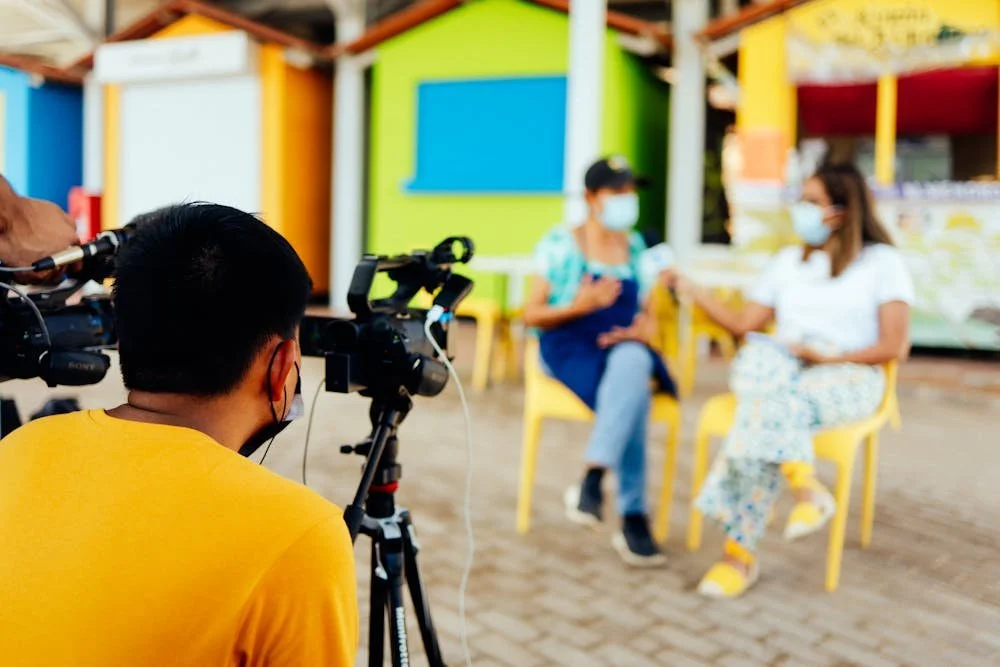
Authentic interviews sit at the heart of creative branded video content production that connects with audiences. However, getting there consistently depends on the conditions you create around your subjects. When subjects feel prepared, comfortable, and genuinely heard, their stories surface without prompting.
That is what corporate storytelling at its best looks like, and why well-executed brand videos remain powerful marketing assets long after they have been watched.
As a video marketing agency focused on authentic storytelling, Pretty Much Films approaches every interview-based project with this thinking in mind, whether it is a narrative profile, a client story, or a brand film.
Get in touch with us to find out how we can help bring your team's story to the screen.